
What Brides Should Know About Lighting When Booking a Photographer for a Ballroom Wedding
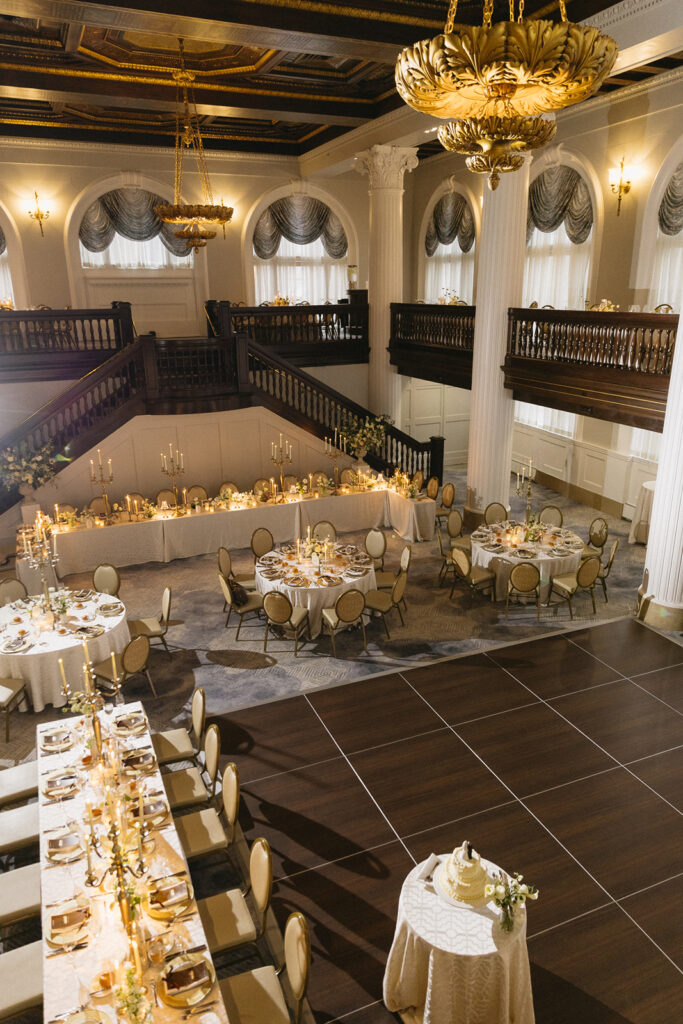
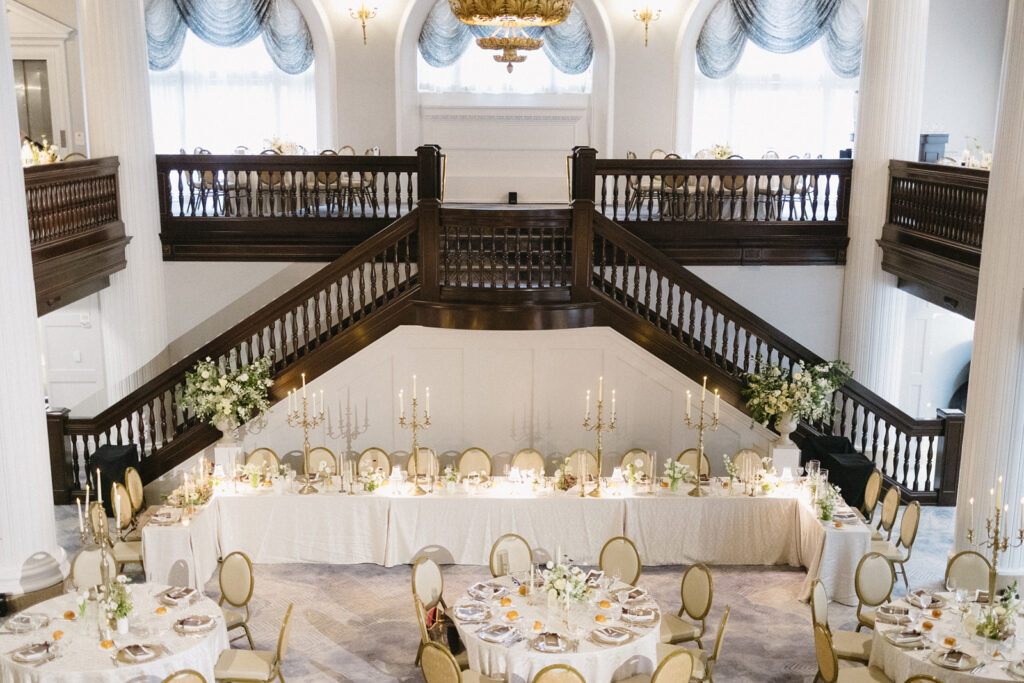
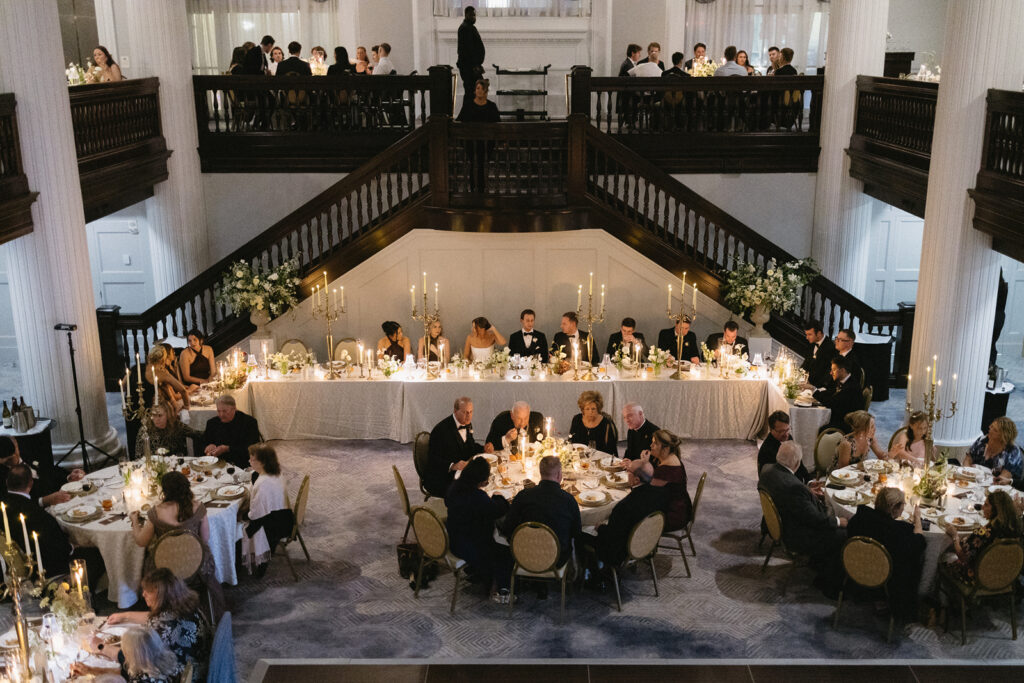
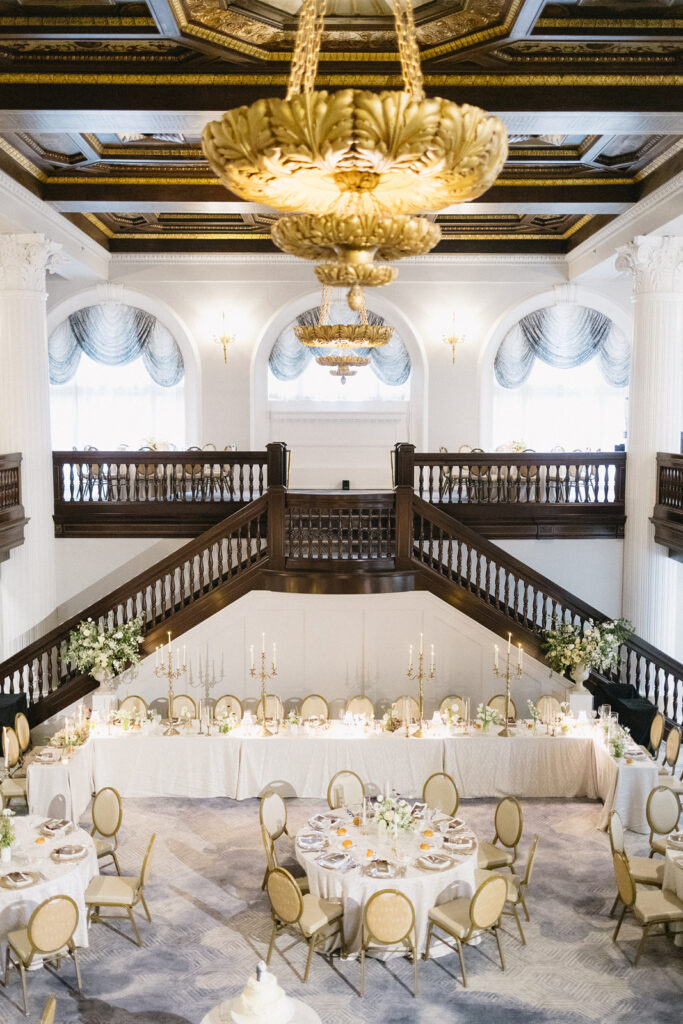
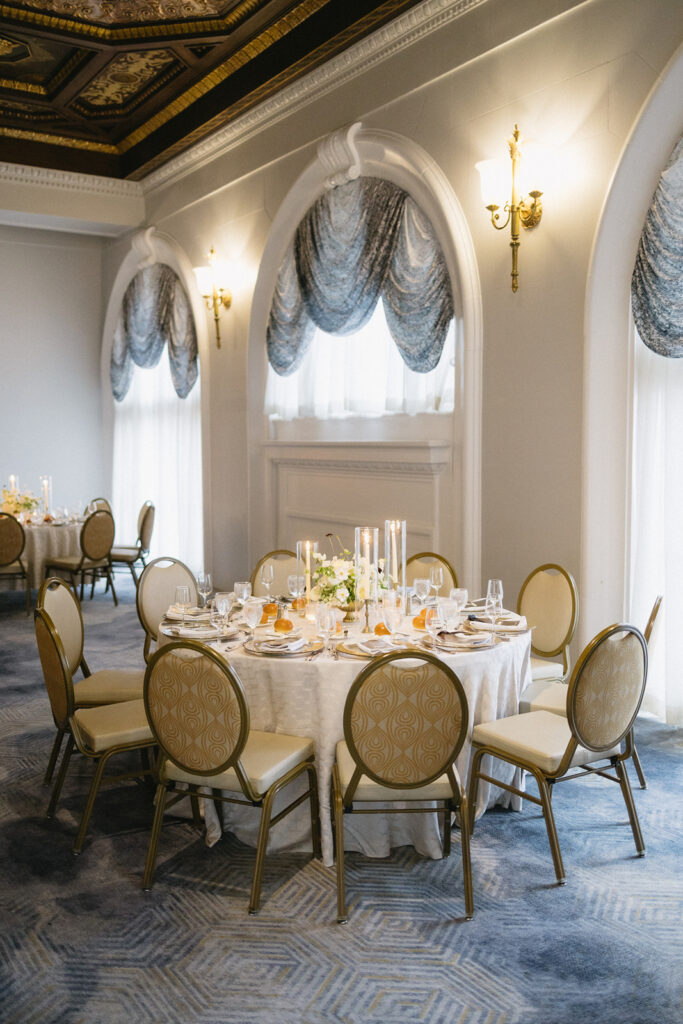
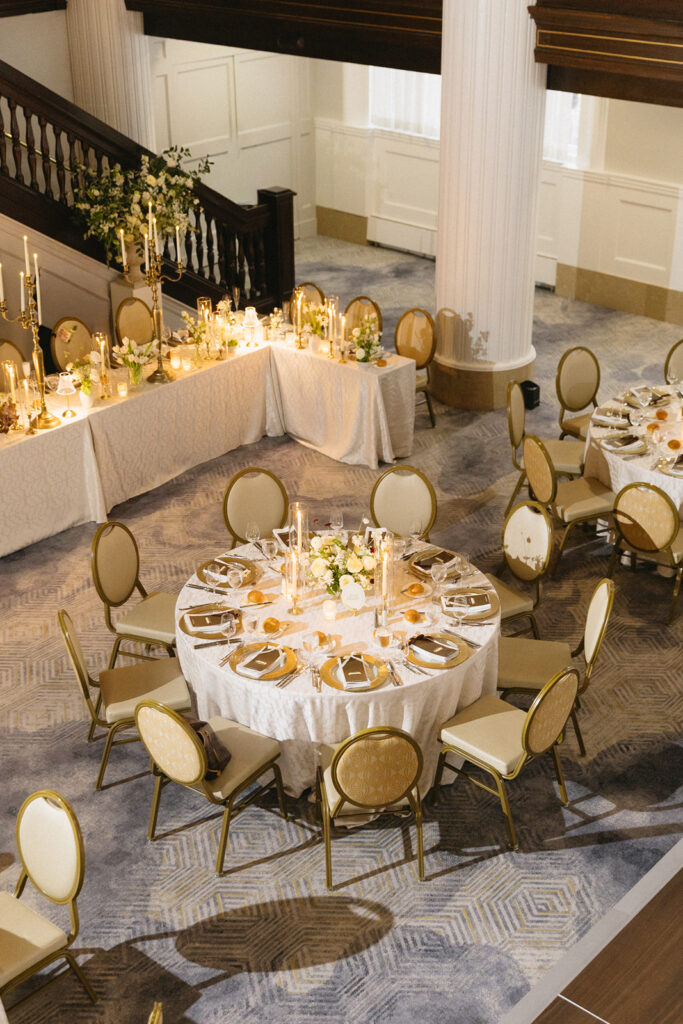
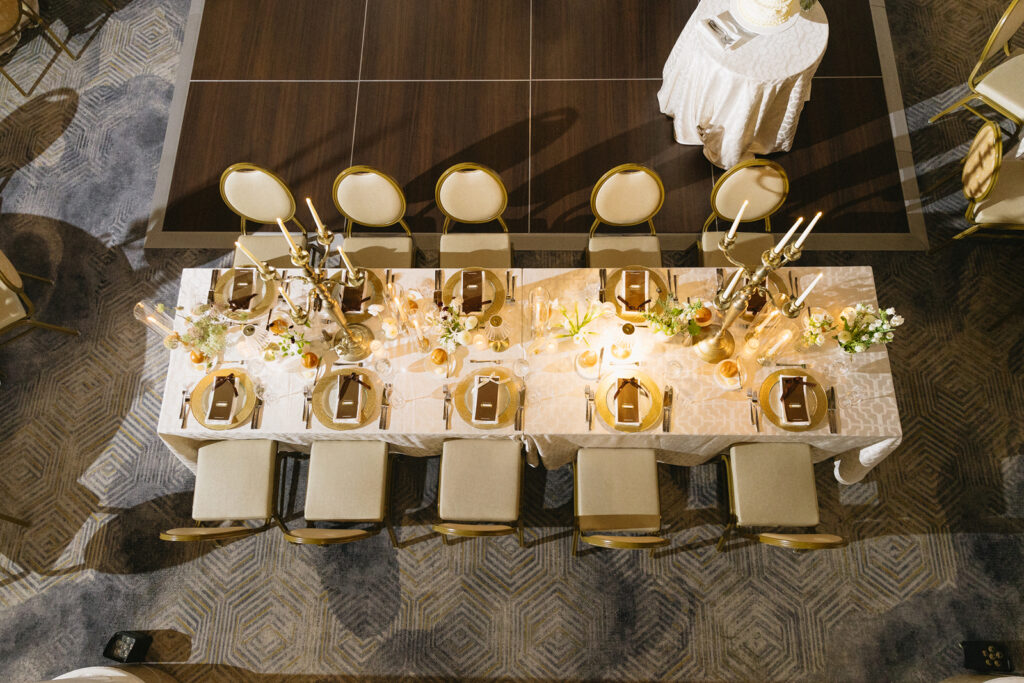
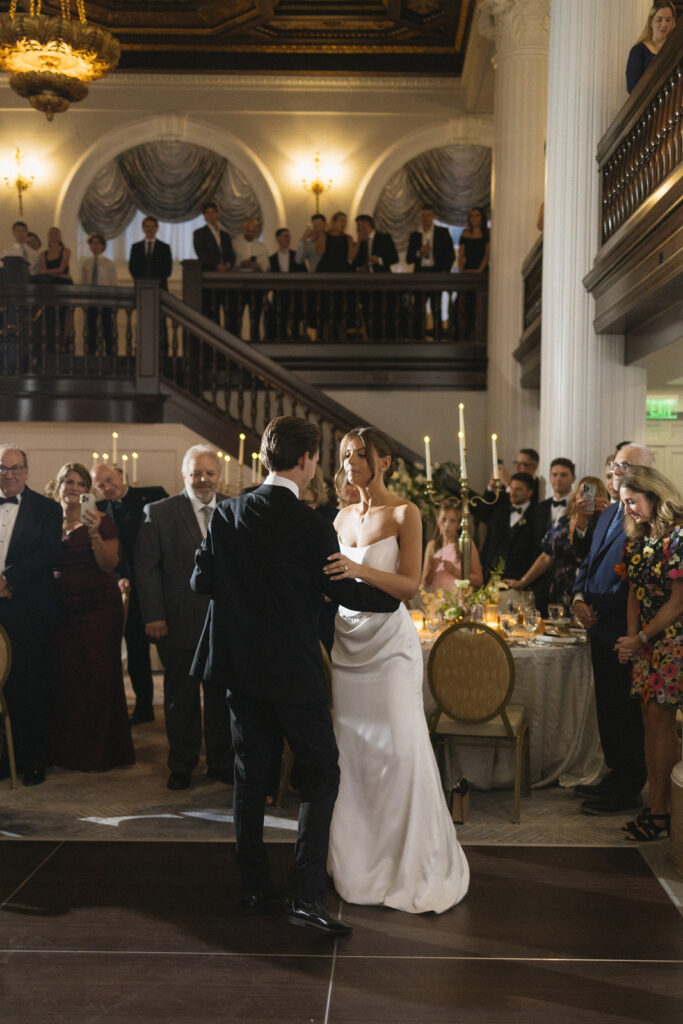
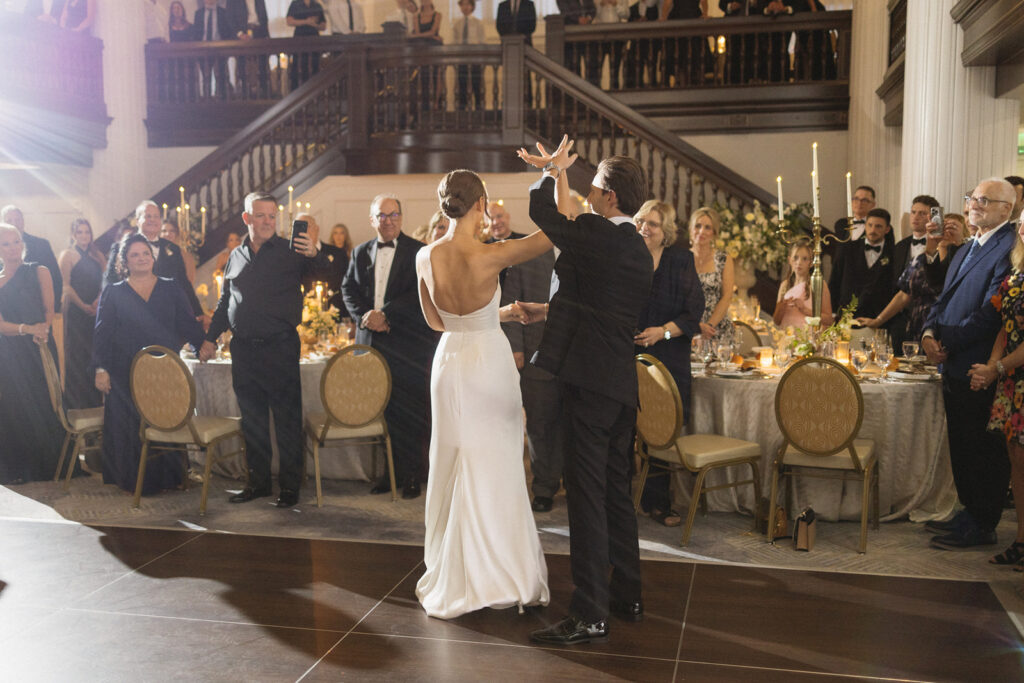
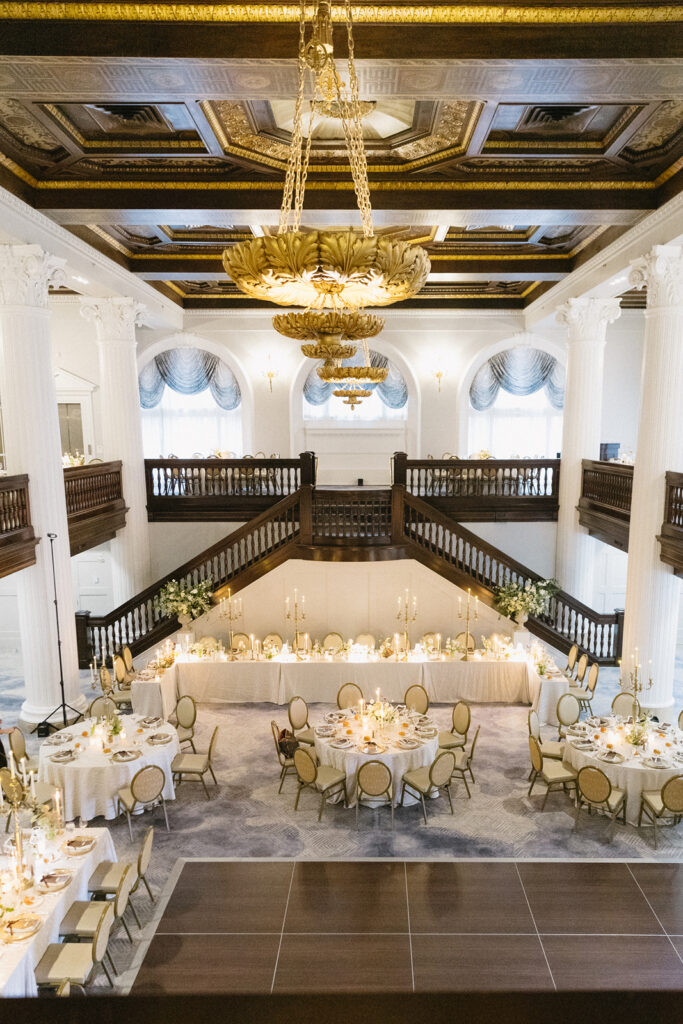
Amway Grand Plaza Wedding and other ballroom wedding venues are undeniably beautiful. They are grand, architectural, and steeped in history. Often defined by soaring ceilings, intricate crown molding, chandeliers, and a sense of formal elegance that feels timeless. For many couples, a ballroom wedding represents tradition, celebration, and legacy.
But while ballrooms photograph beautifully when done well, they also present one of the most complex technical challenges in wedding photography: lighting.
When booking your wedding photographer, style and aesthetic matter. But in a ballroom setting, lighting knowledge is just as important. Understanding how a photographer approaches light in large, dim, and expansive spaces can make the difference between photographs that feel cinematic and emotive, and images that feel flat, harsh, or disconnected from the experience of the day.
This guide is meant to help brides understand why ballroom lighting matters, what to look for when reviewing photographers, and how an editorial, documentary approach allows the beauty of the space—and the emotion of the day—to coexist seamlessly.
Why Ballroom Lighting Is Different From Any Other Venue
Ballrooms behave very differently from outdoor spaces, intimate chapels, or naturally lit reception rooms. The qualities that make them visually stunning in person can actually make them difficult to photograph without experience.
Common lighting challenges in ballrooms include:
- Extremely high ceilings that prevent light from bouncing naturally
- Low ambient light levels, especially during evening receptions
- Dark walls, heavy drapery, or rich wood tones that absorb light
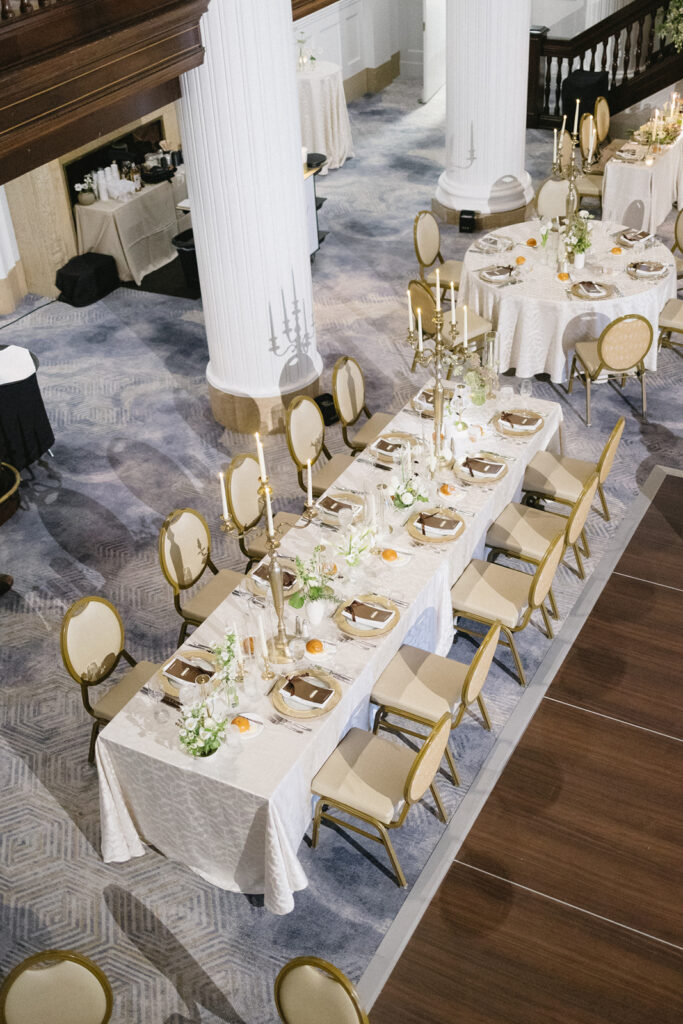
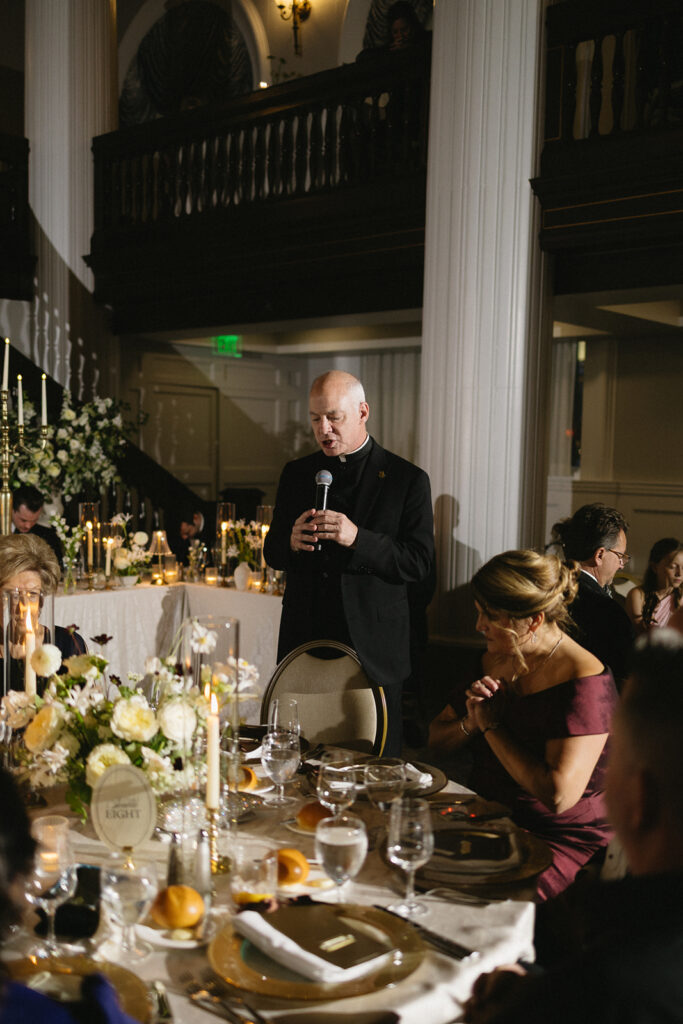
- Mixed lighting temperatures, such as warm chandeliers paired with candlelight
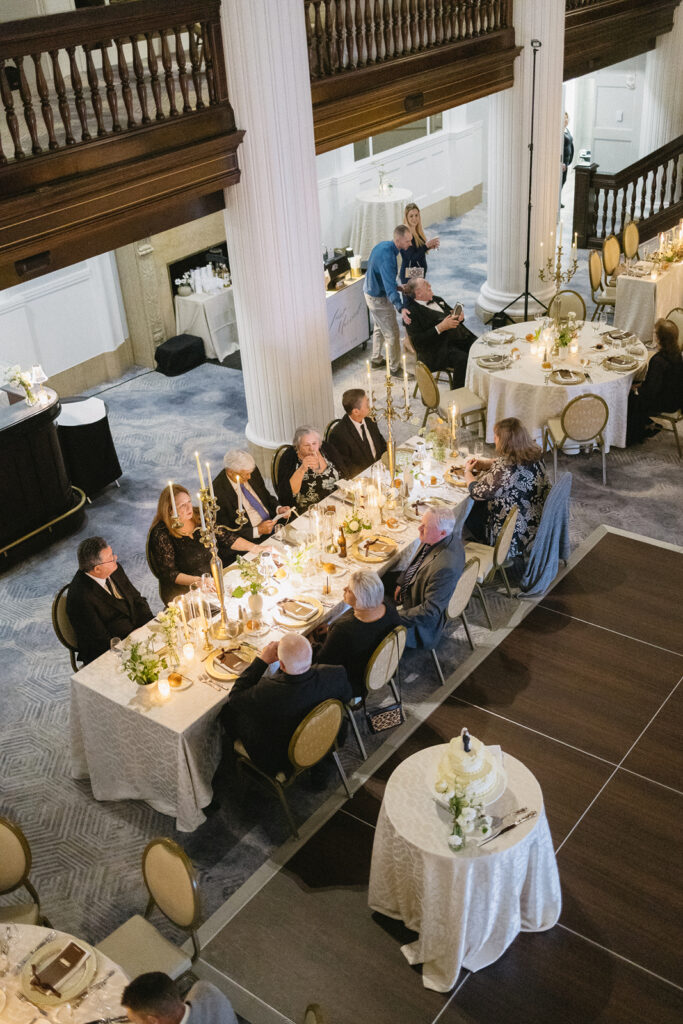
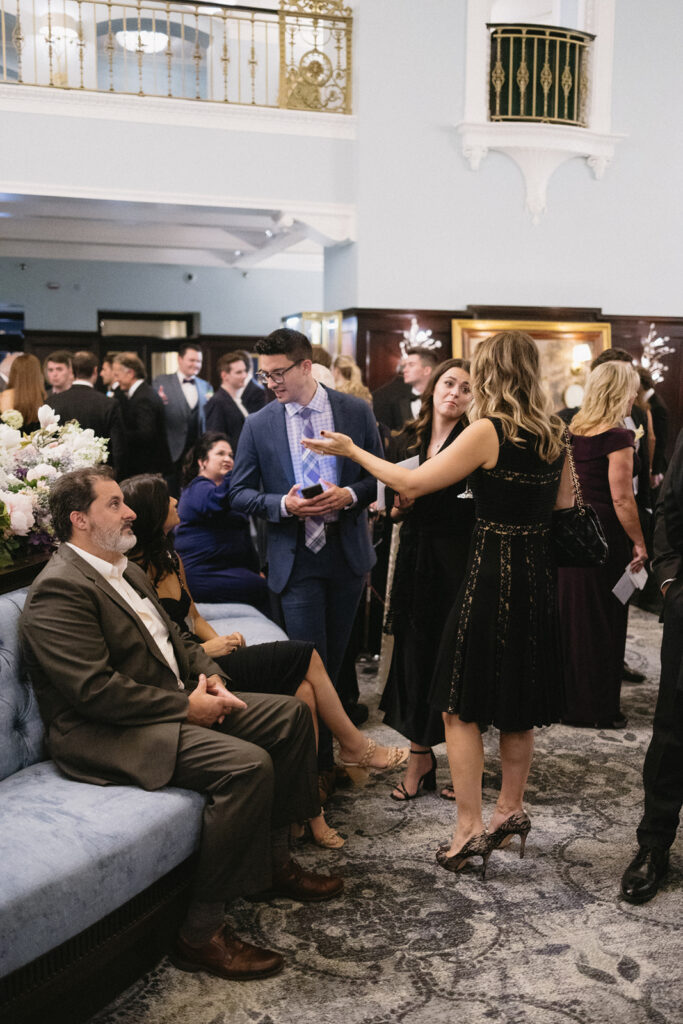
- Large open floor plans that require lighting coverage without being intrusive
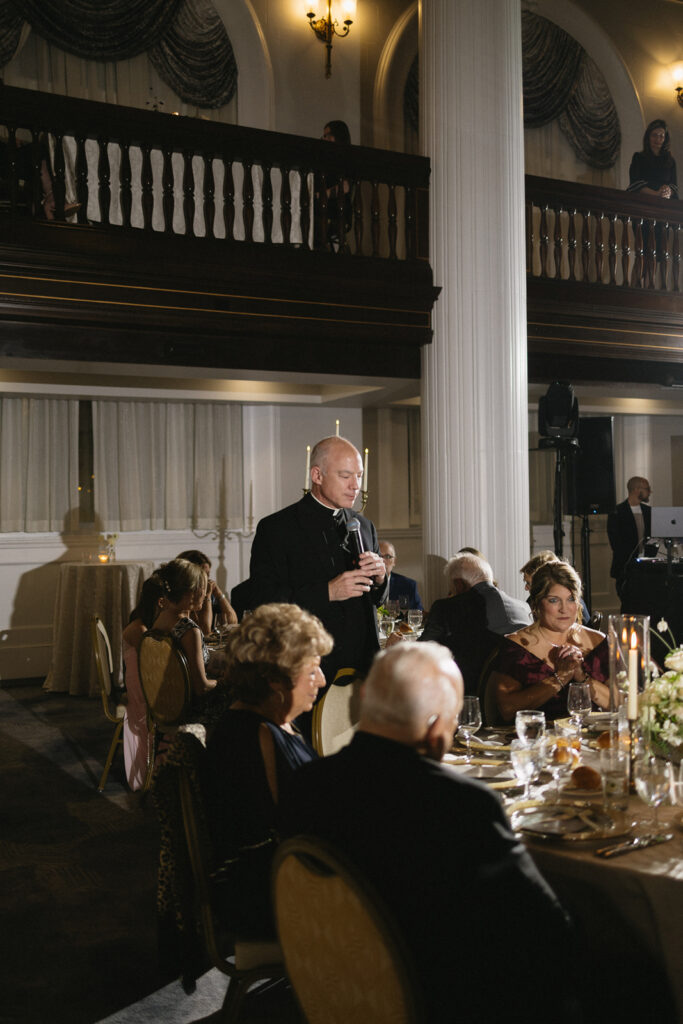
Unlike a sunlit ceremony or an outdoor cocktail hour, a ballroom doesn’t offer forgiving natural light. Every lighting decision—where light is placed, how strong it is, and how it blends with the existing environment—directly affects the mood and authenticity of your photographs.
Without a thoughtful approach, ballroom images can easily become:
- Overexposed with harsh flash
- Too dark, losing detail and emotion
- Flat, with no depth or dimension
- Disconnected from the warmth you experienced in the room
Why Lighting Impacts Emotion, Not Just Exposure
One of the biggest misconceptions about photography lighting is that it’s only about brightness. In reality, lighting shapes how a moment feels.
In a ballroom, light must do several things at once:
- Illuminate faces naturally
- Preserve the atmosphere of the room
- Highlight architectural elements without overpowering the subject
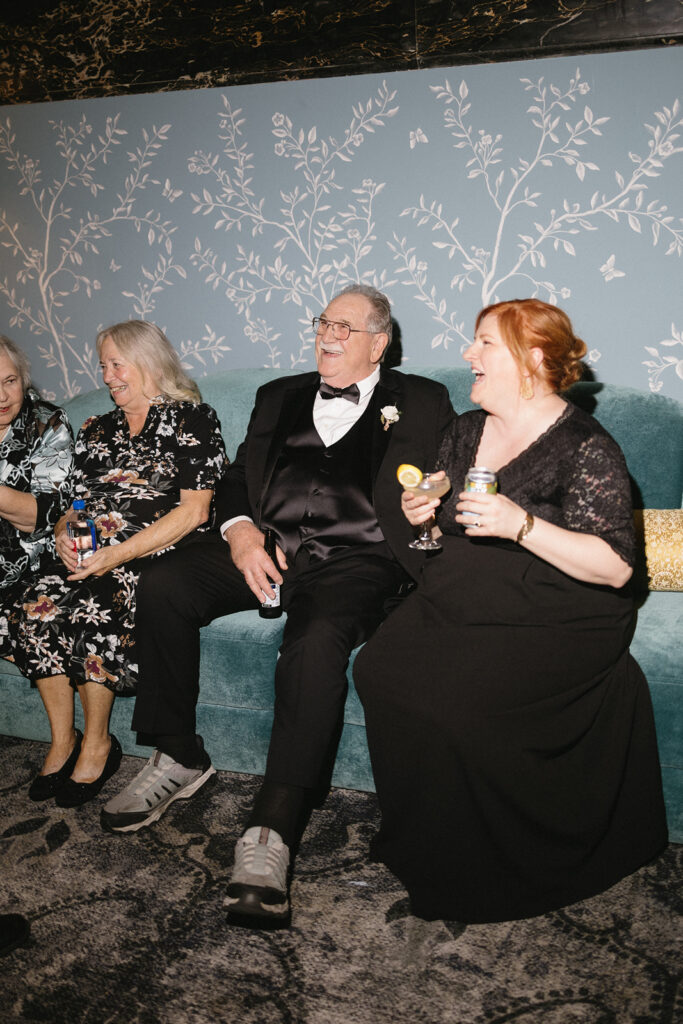
- Allow candid moments to unfold without interruption
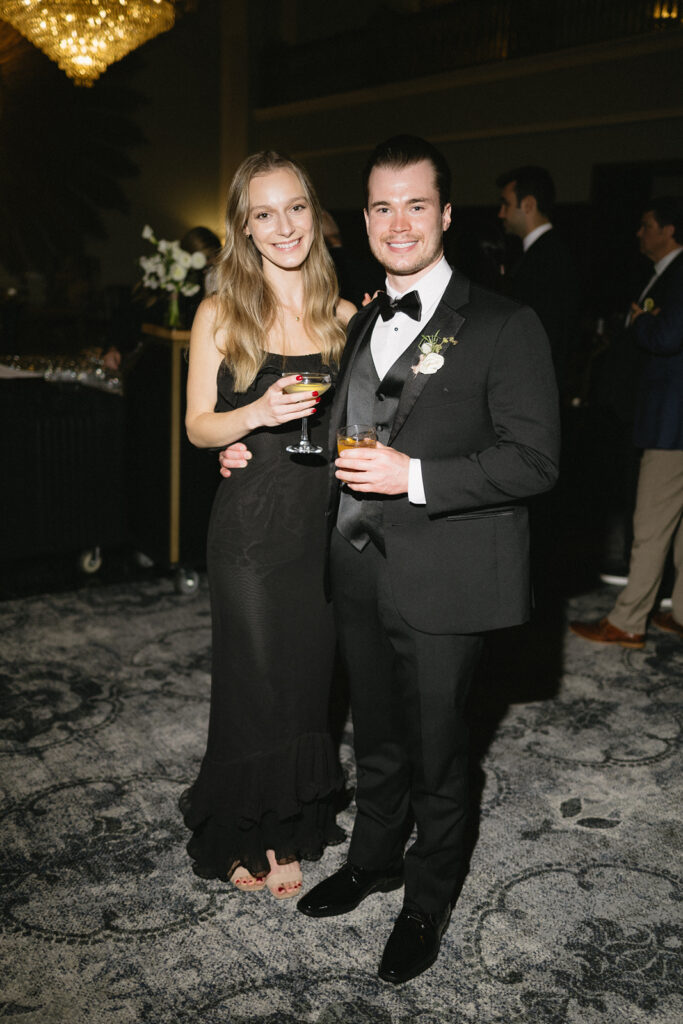
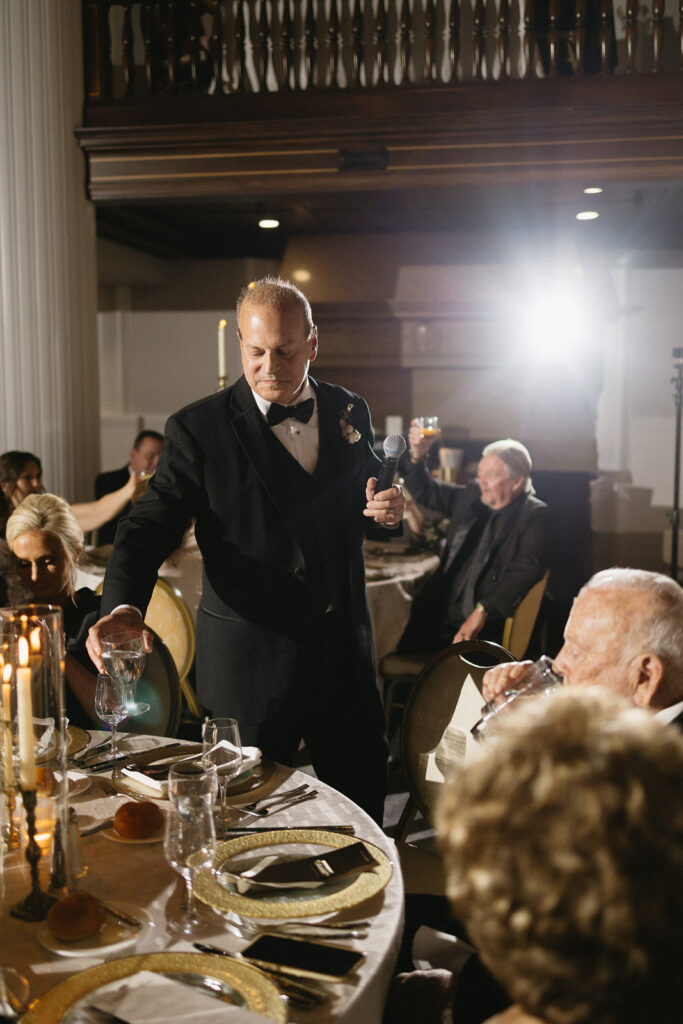
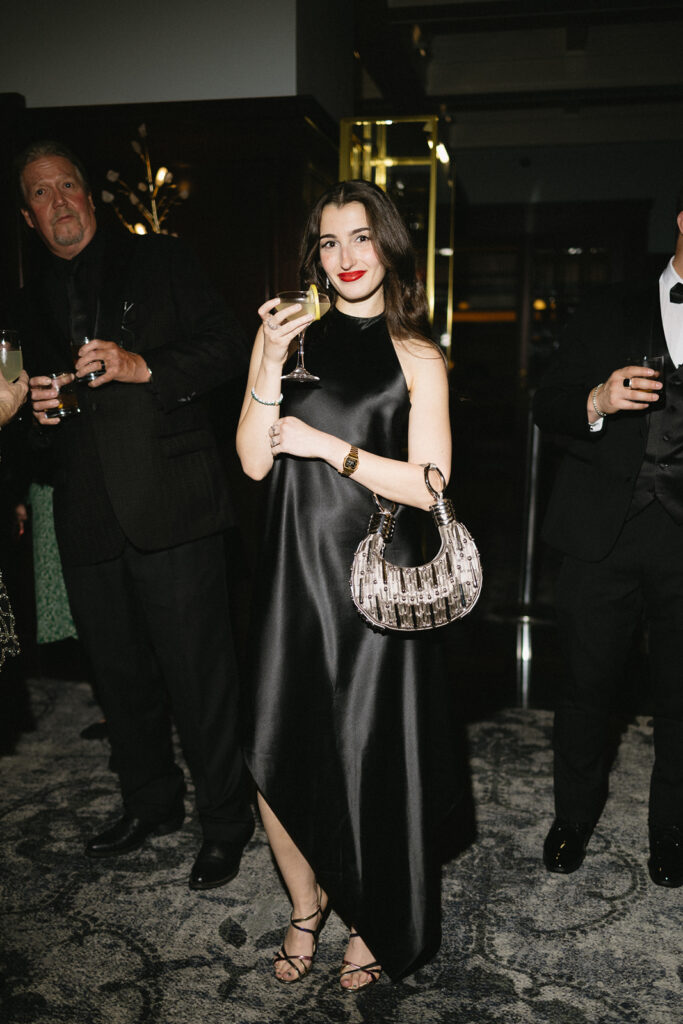
When lighting is handled poorly, photographs may technically be “clear,” but they lose softness, intimacy, and emotional depth. Guests may look startled by direct flash. Moments that felt tender in real life can appear stark or artificial on camera.
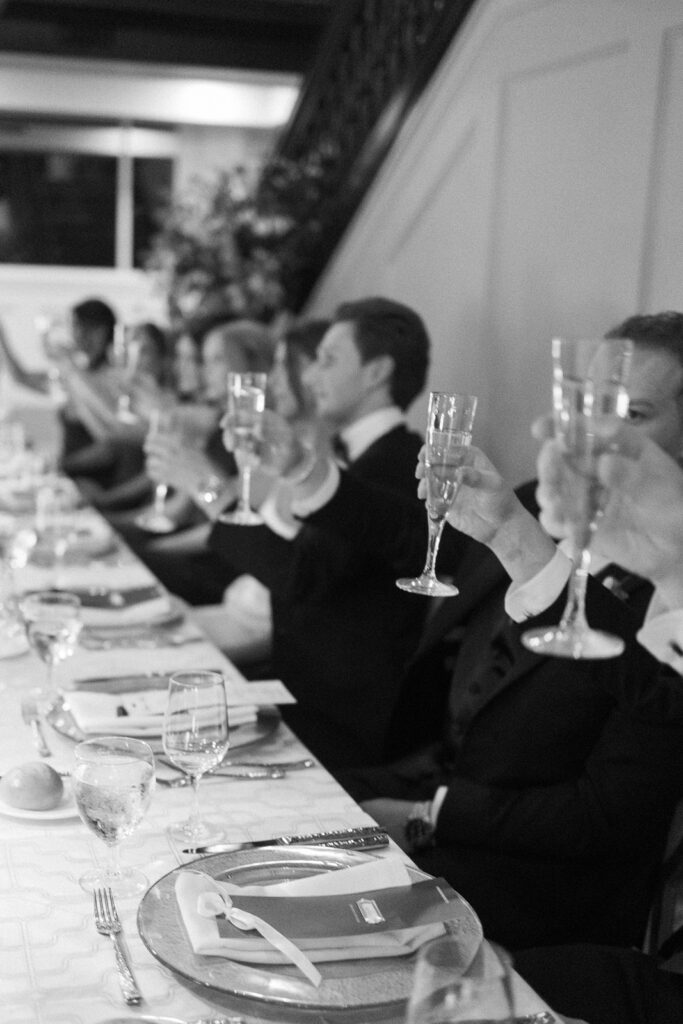
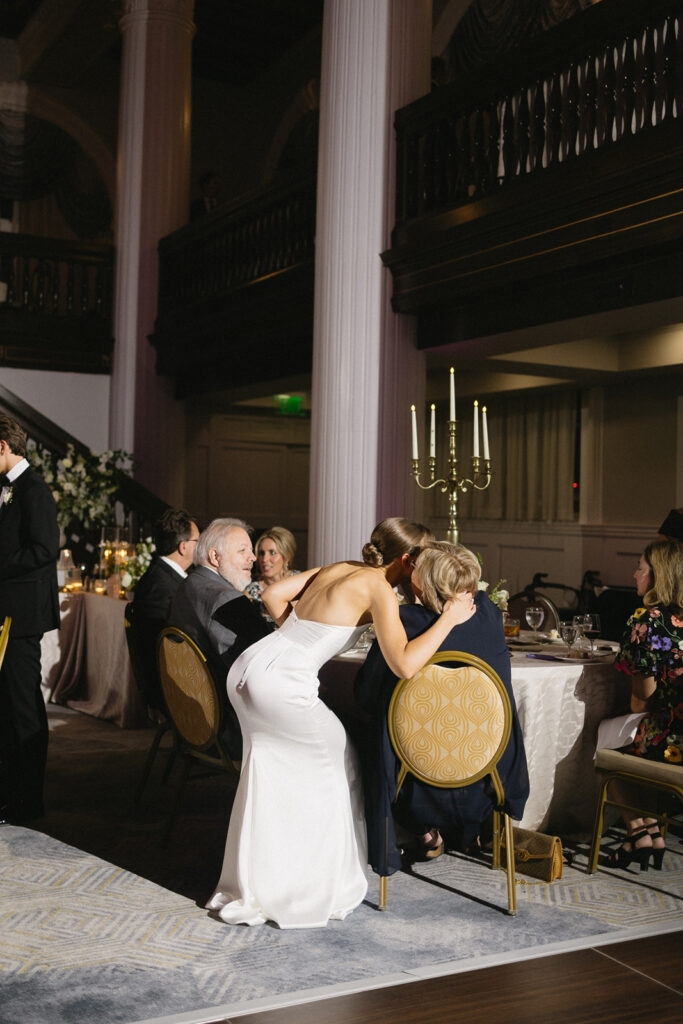
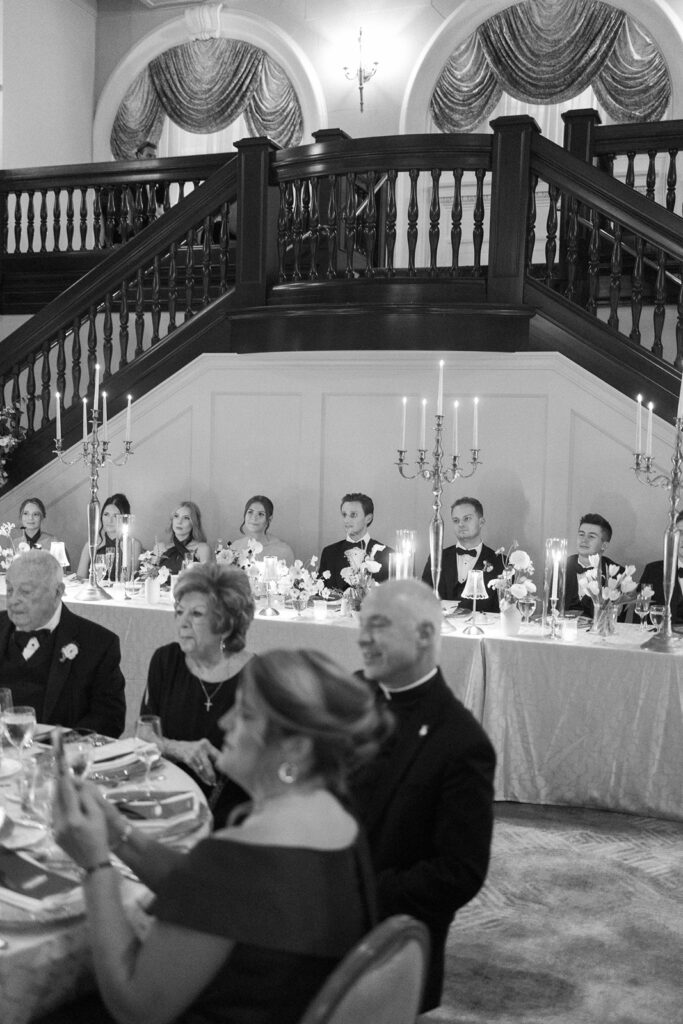
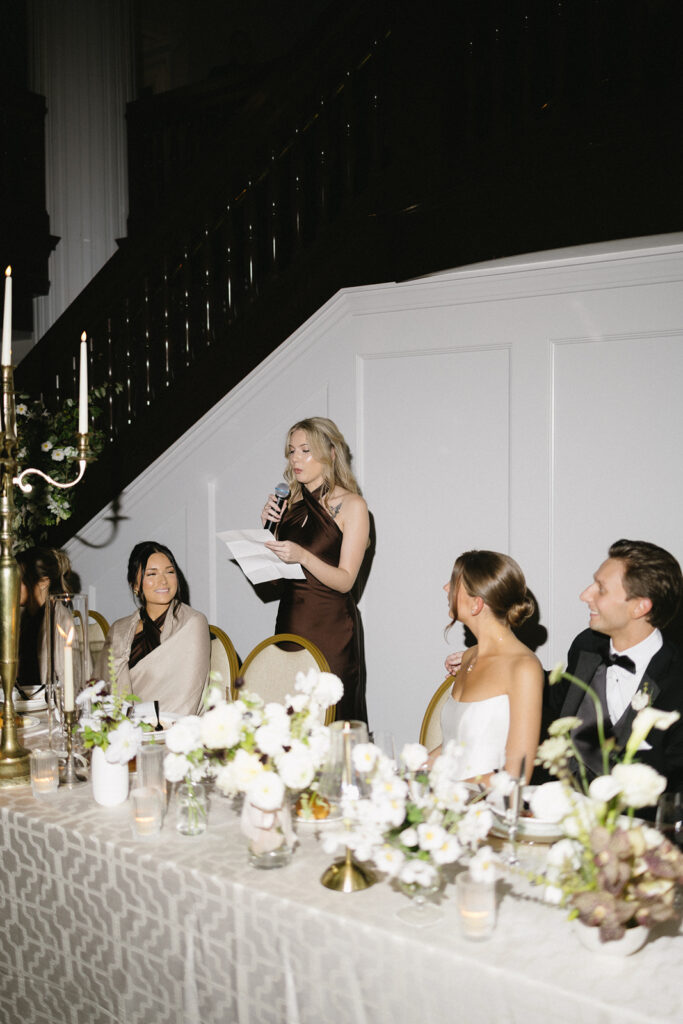
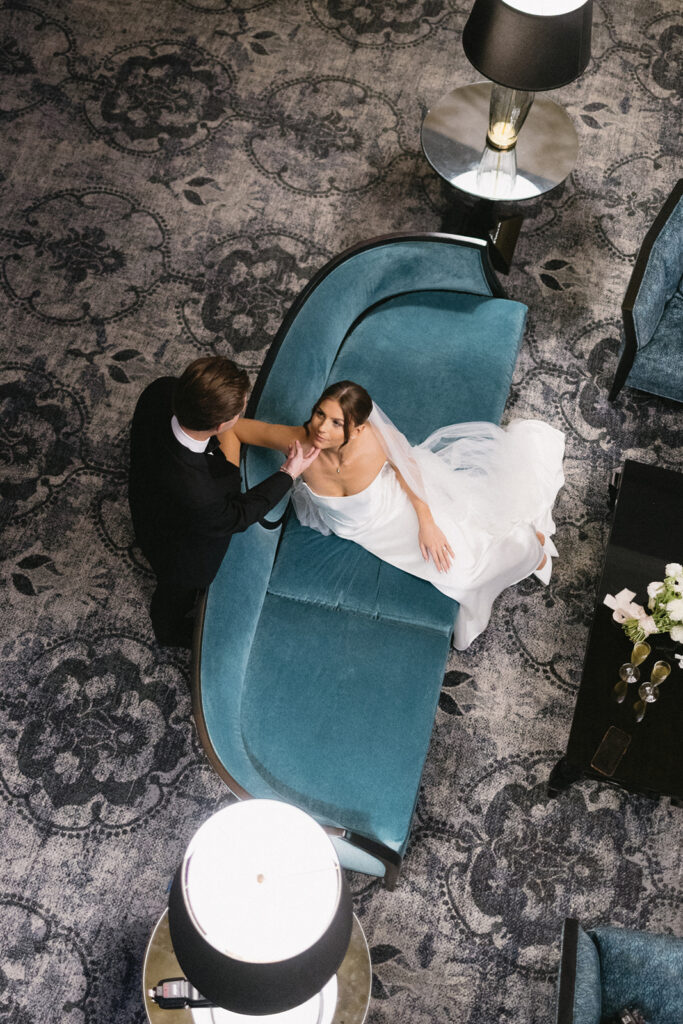
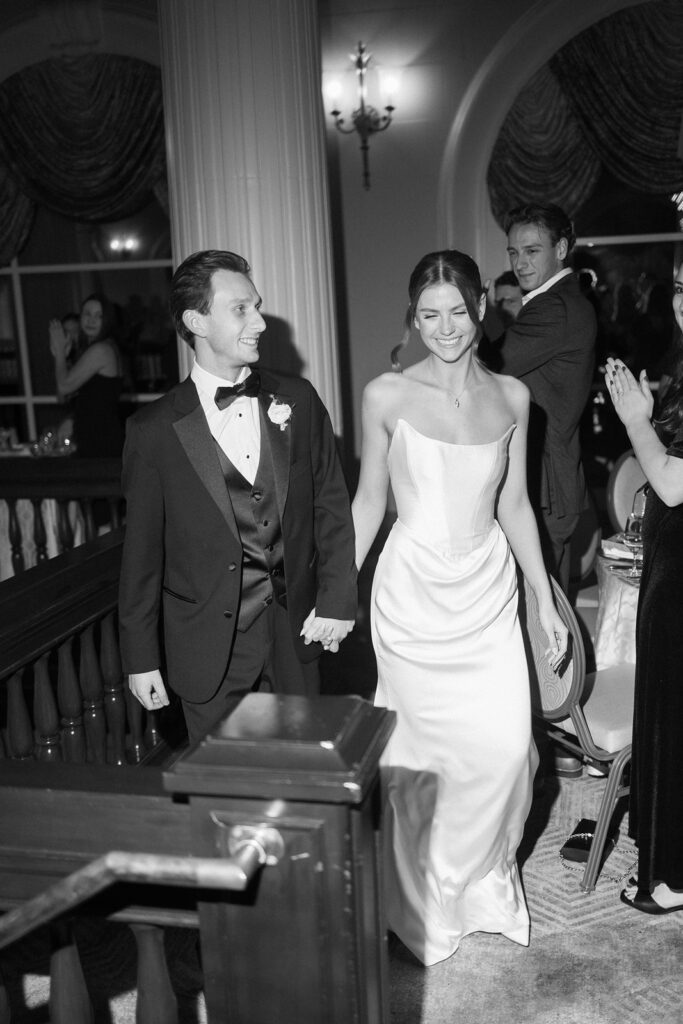
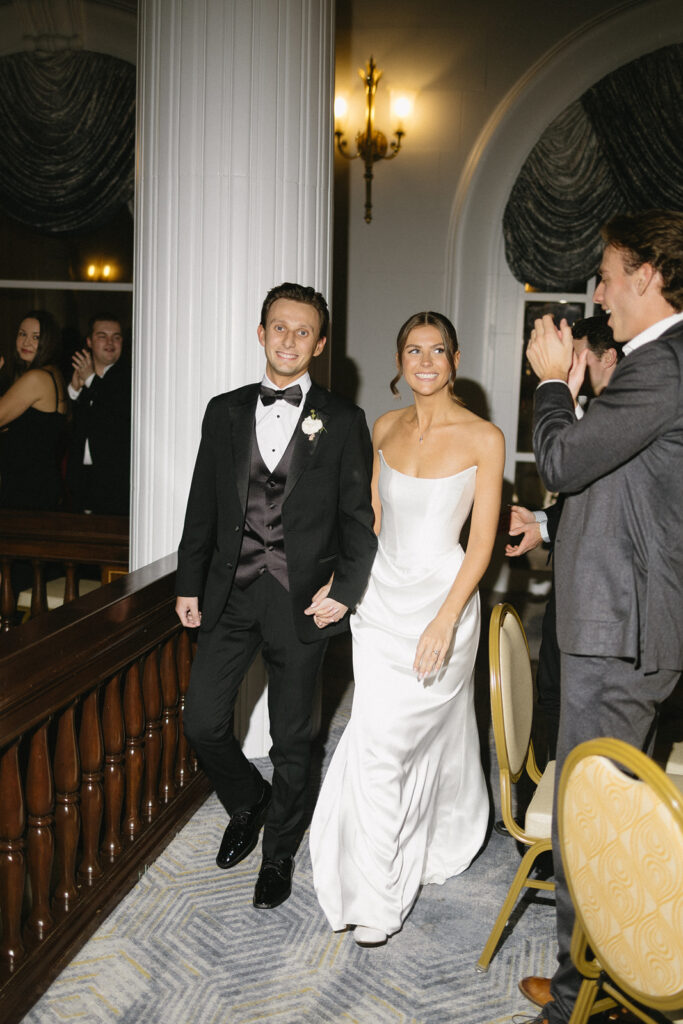
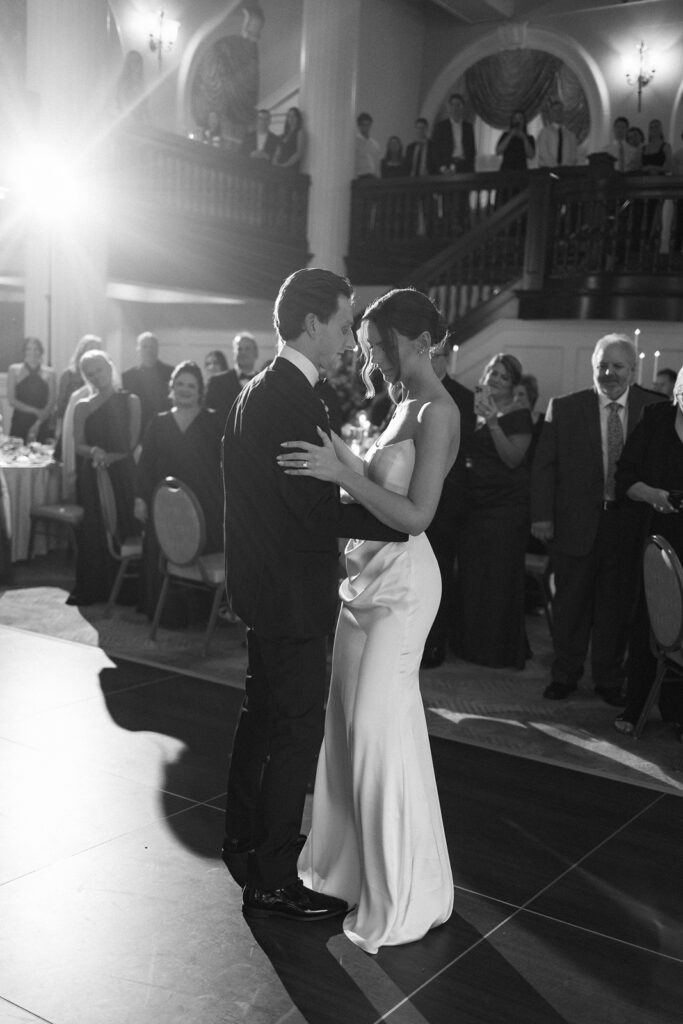
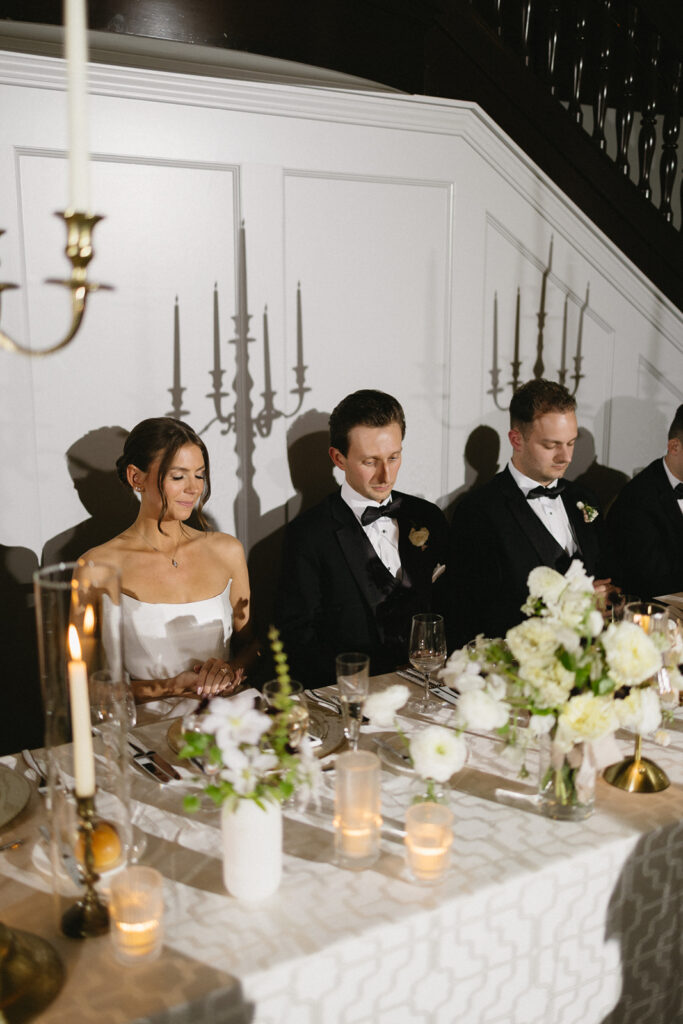
When lighting is handled well, the images feel effortless. The room glows. Skin tones feel warm and natural. The emotion of the night remains intact.
What to Look for When Reviewing a Photographer’s Portfolio
When evaluating photographers for a ballroom wedding, it’s important to look beyond highlight reels or posed portraits. Instead, focus on full galleries—especially reception coverage.
Pay attention to the following details:
1. Skin Tones in Low Light
Do faces look natural, or overly washed out? Are shadows soft, or harsh and distracting?
2. Atmosphere
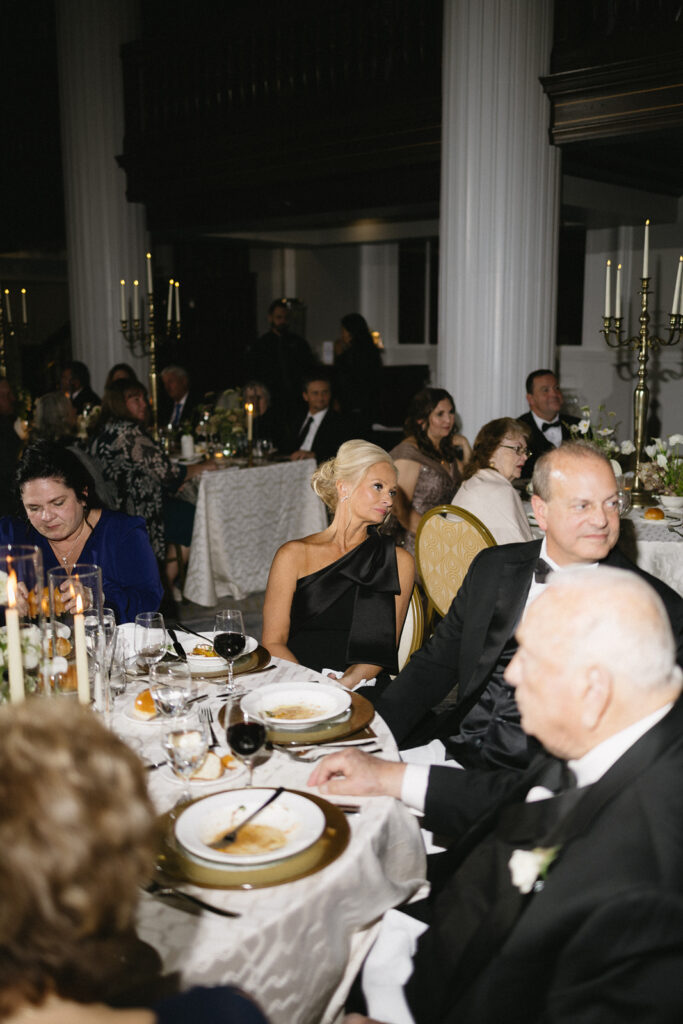
Can you still feel the warmth of the room? Do the photos preserve candlelight, chandeliers, and ambient glow?
3. Depth and Dimension
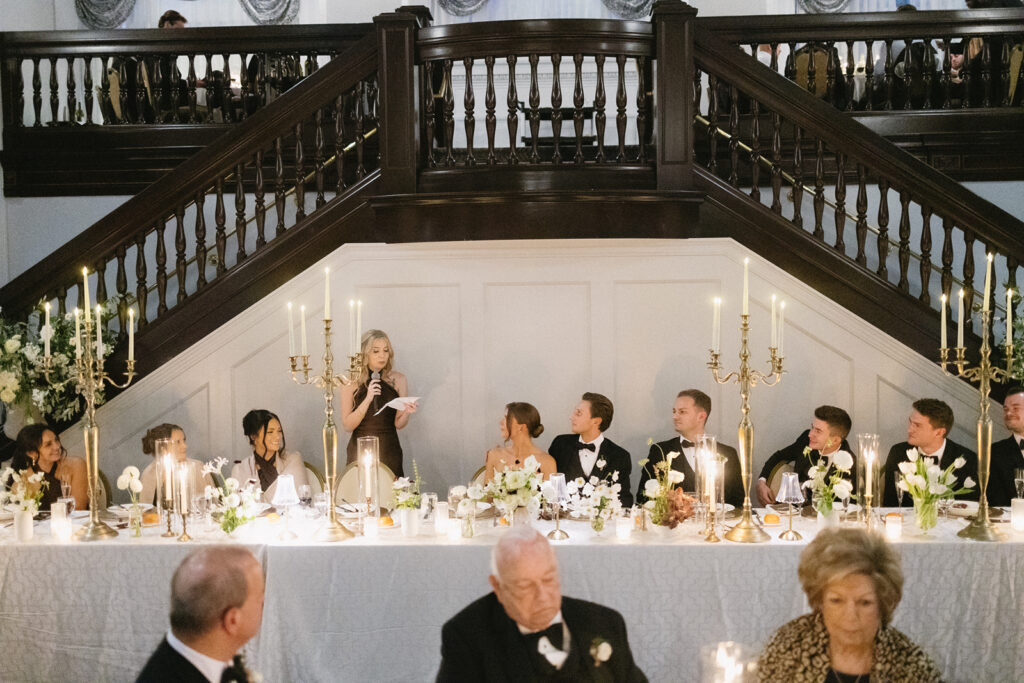
Does the ballroom feel layered and cinematic, or flat and one-dimensional?
Editorial & Documentary Lighting: Why It Works in Ballrooms
Photographers who work at the intersection of editorial and documentary photography tend to approach lighting with intention rather than intrusion.
Instead of relying on direct, on-camera flash—which can disrupt moments and flatten a scene—this approach focuses on supporting the environment.
An editorial-documentary lighting approach often includes:
- Off-camera lighting placed strategically to sculpt the space
- Soft, directional light that mimics natural light rather than overpowering it
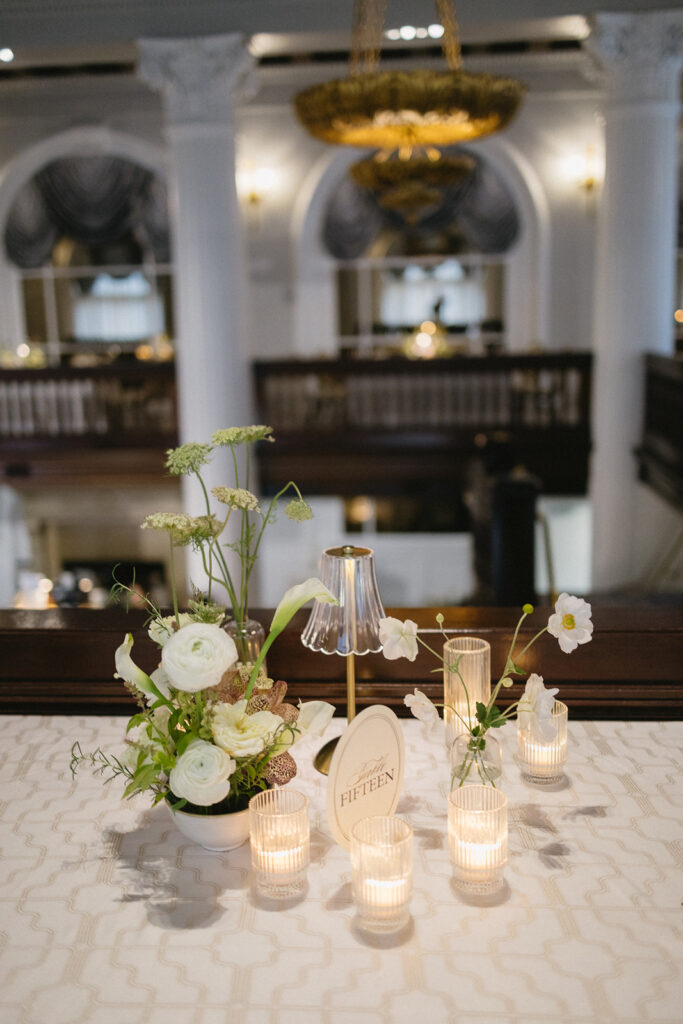
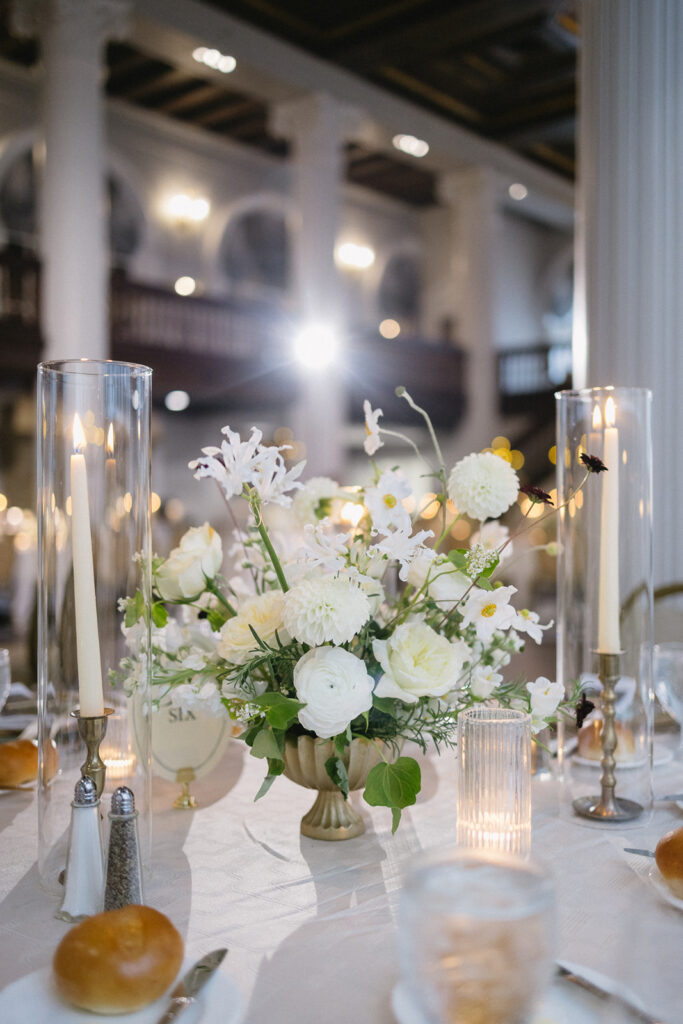
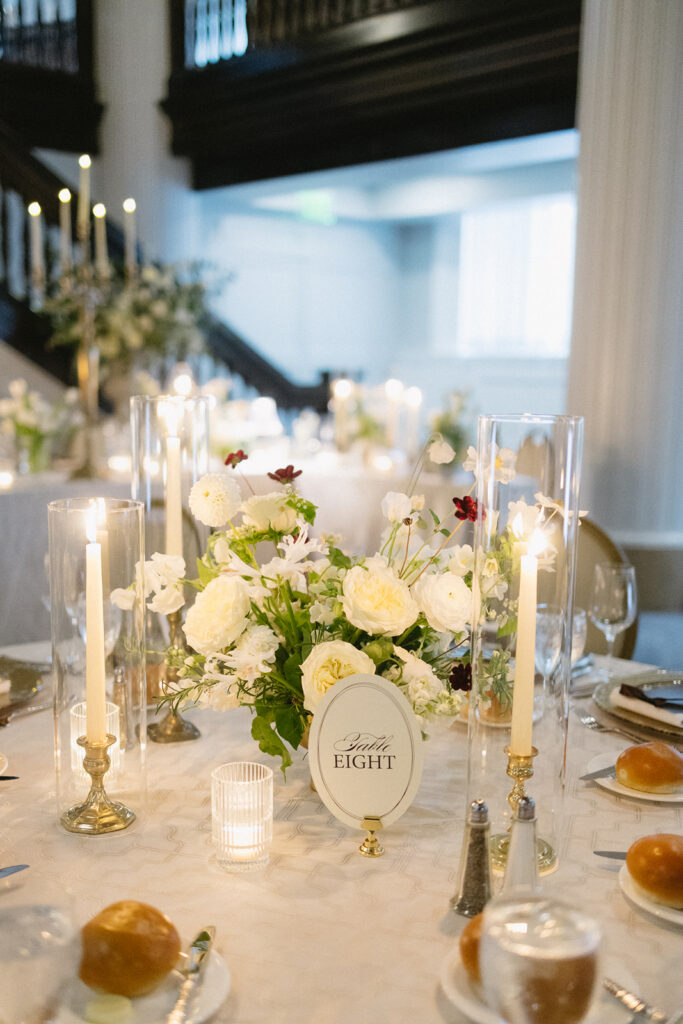
- Preservation of ambient light, allowing chandeliers and candles to remain visible
- Pre-planned lighting setups so moments unfold uninterrupted
- A calm, unobtrusive presence, allowing real emotion to take precedence
This method allows movement, laughter, and connection to happen naturally—without constant pauses or adjustments.
The result is imagery that feels timeless, refined, and emotionally honest.
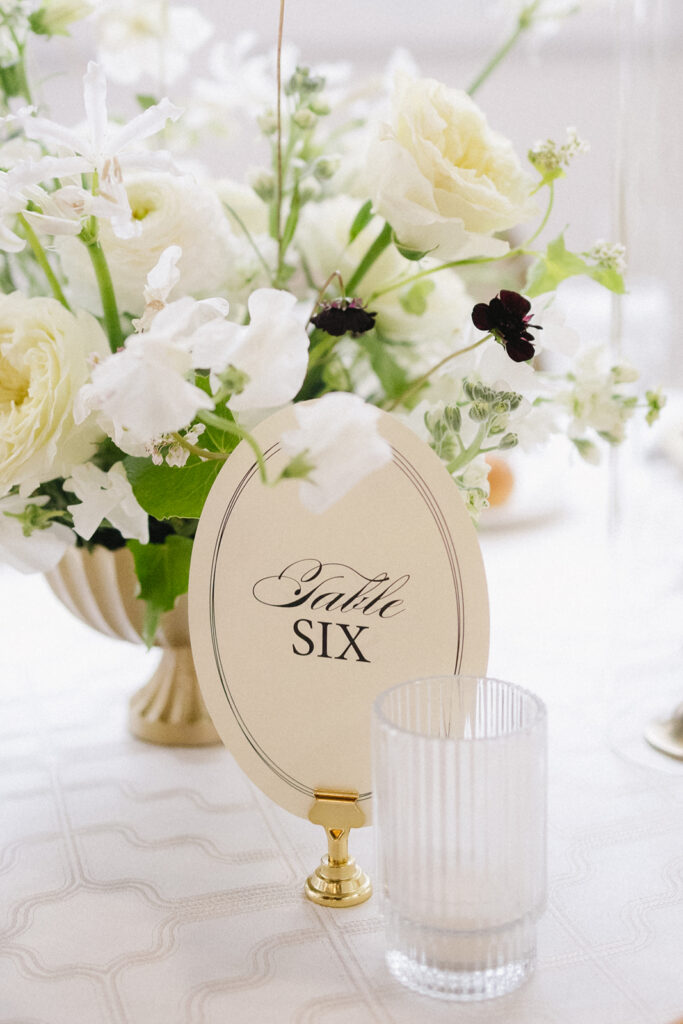
Why Experience in Similar Venues Truly Matters
This Amway Grand Plaza Wedding and other ballrooms are not the place for experimentation or guesswork.
A photographer experienced in ballroom venues understands:
- How high ceilings affect light falloff
- How to avoid harsh shadows on faces
- How to balance multiple light sources
- How to move quickly as lighting conditions change throughout the night
They also know how to transition seamlessly—from daylight portraits to candlelit receptions—without altering the emotional tone of the day.
This experience allows couples to stay present. The photographer isn’t reacting; they’re anticipating.
Questions Brides Should Ask Their Photographer
When interviewing photographers for a ballroom wedding, asking thoughtful questions can reveal a lot about their approach.
Consider asking:
- How do you typically light large ballroom receptions?
- Do you use off-camera lighting?
- How do you preserve the ambiance of the room?
A confident photographer will be able to explain their process clearly and calmly—without defensiveness or vague answers.
The Role of Documentary Awareness in Ballroom Wedding
Lighting is only one part of the equation. Equally important is how a photographer moves within the space.
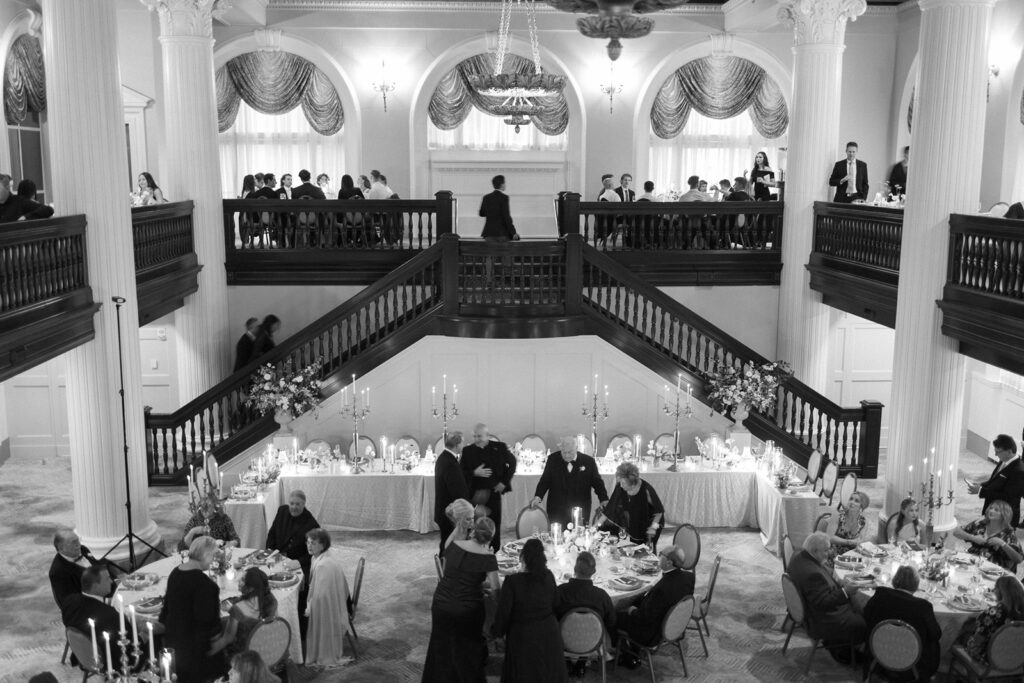
Ballrooms often host:
- Large guest counts
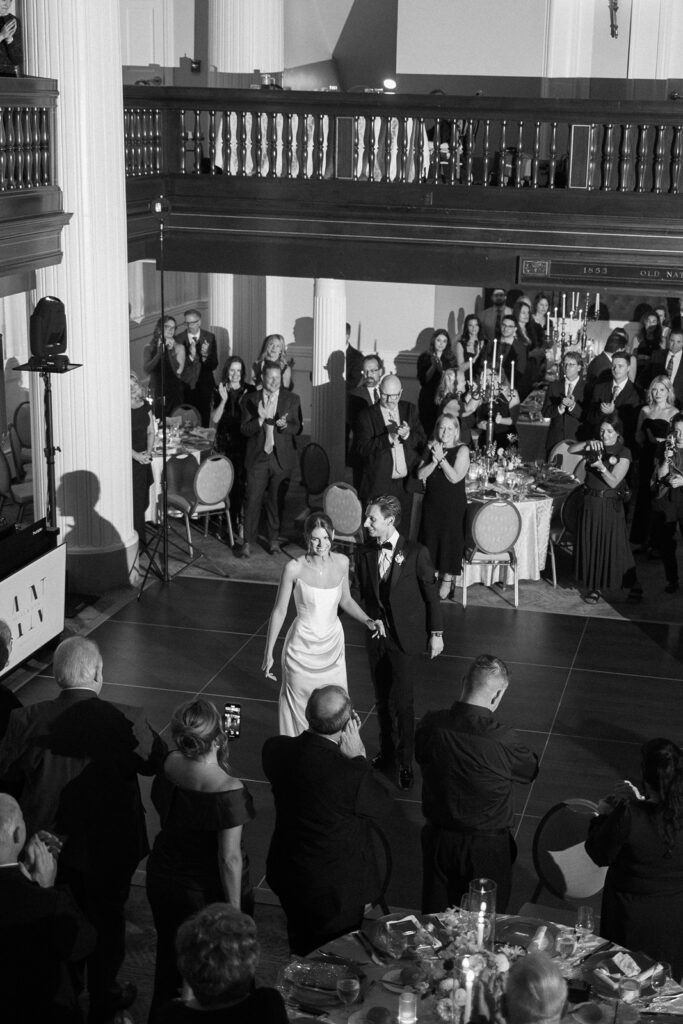
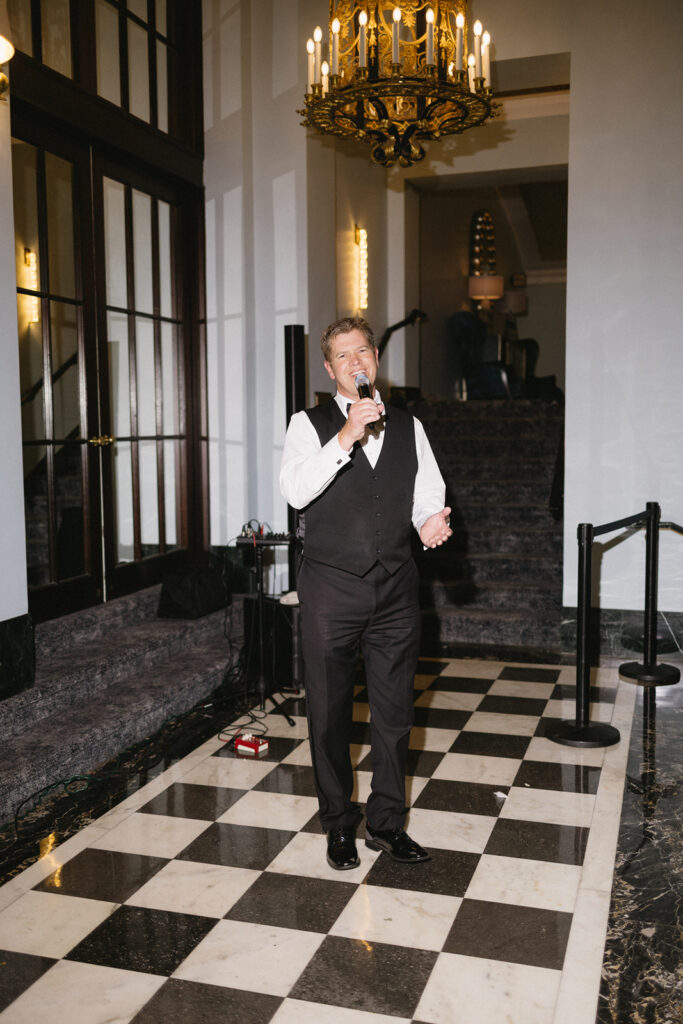
- Formal entrances and speeches
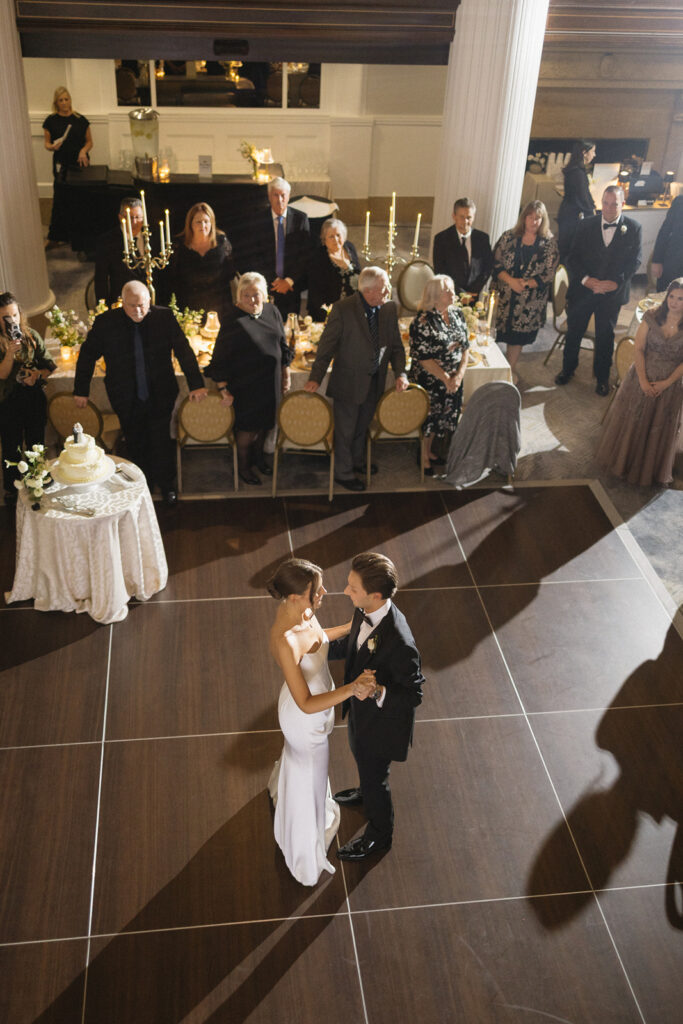
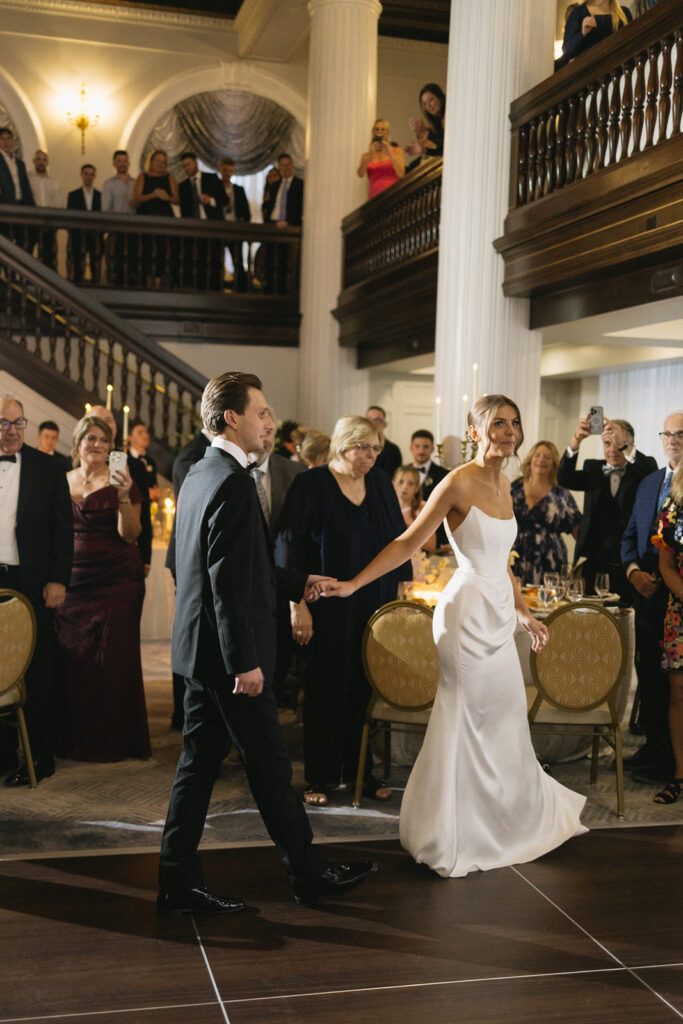
- Emotional parent dances
- High-energy dance floors
A documentary mindset ensures these moments are captured as they unfold—not staged, rushed, or interrupted. Combined with editorial lighting, this approach allows the story of the evening to be told with both artistry and truth.
Why Lighting Knowledge Is an Investment in Your Legacy
Your Amway Grand Plaza Wedding or ballroom wedding will likely be one of the most carefully designed events of your life. Every detail—from florals to linens to music—was chosen with intention.
Your photographs should reflect that same care.
Choosing a photographer who understands ballroom lighting isn’t simply a technical decision. It’s a decision about how your wedding will be remembered—how it will feel when you look back decades from now.
When lighting is done well, ballroom photographs feel cinematic, elegant, and deeply emotional. When it isn’t, even the most breathtaking venue can lose its magic on camera.
In a space built for grandeur, thoughtful lighting allows intimacy to shine.
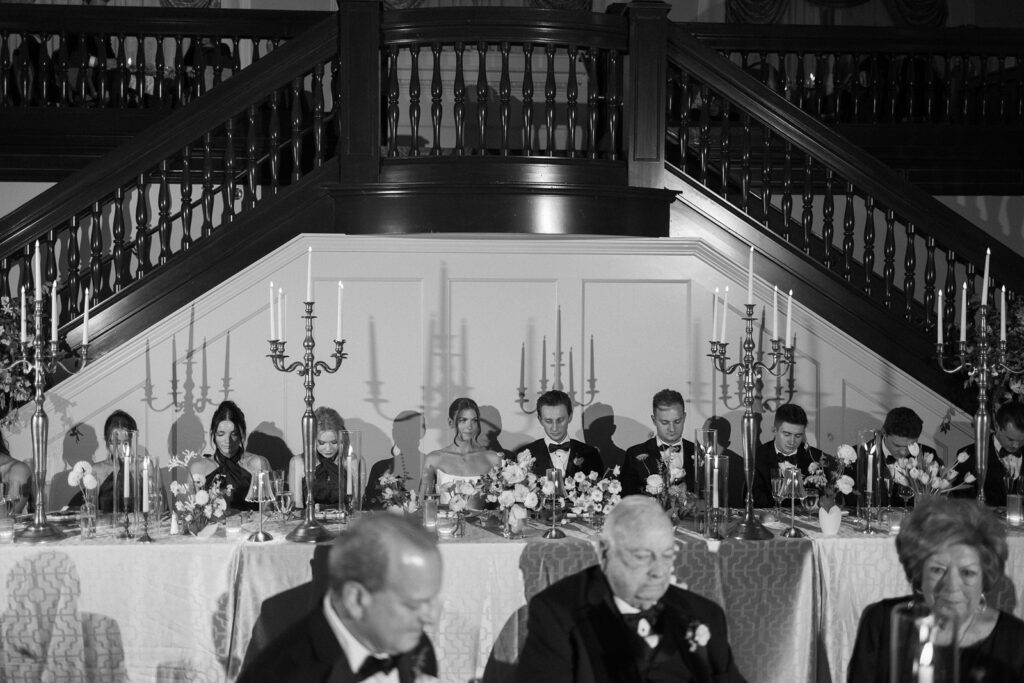
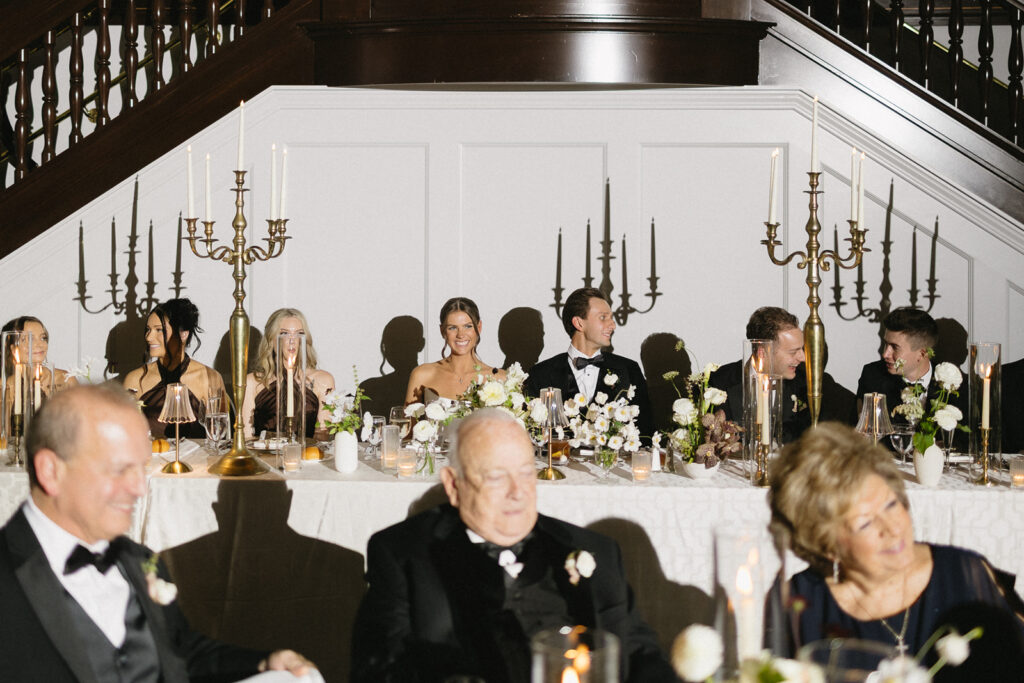
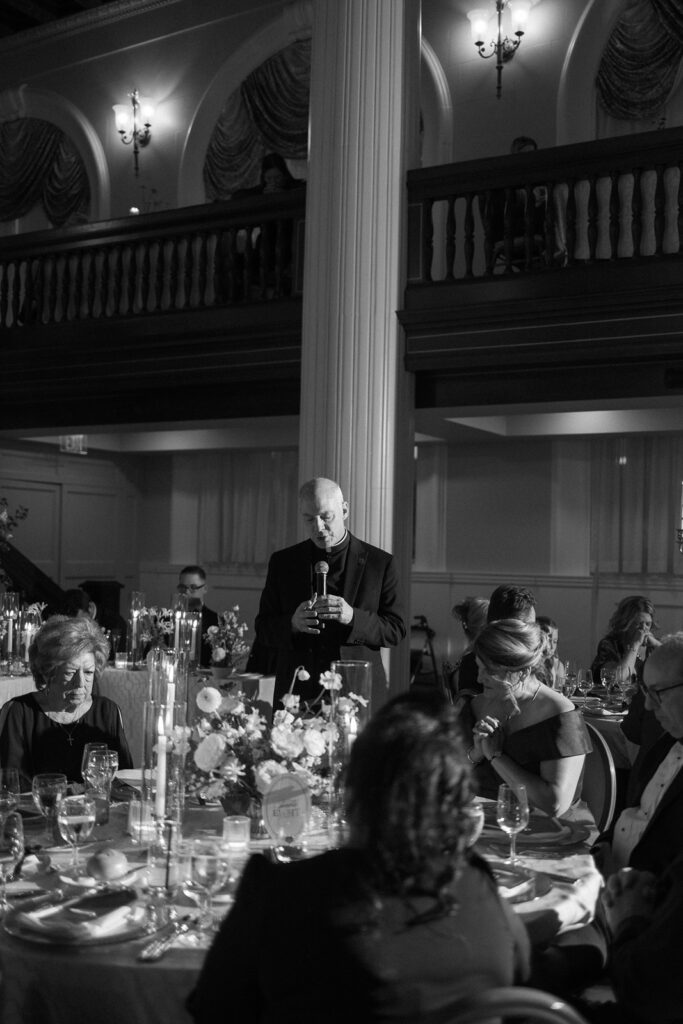
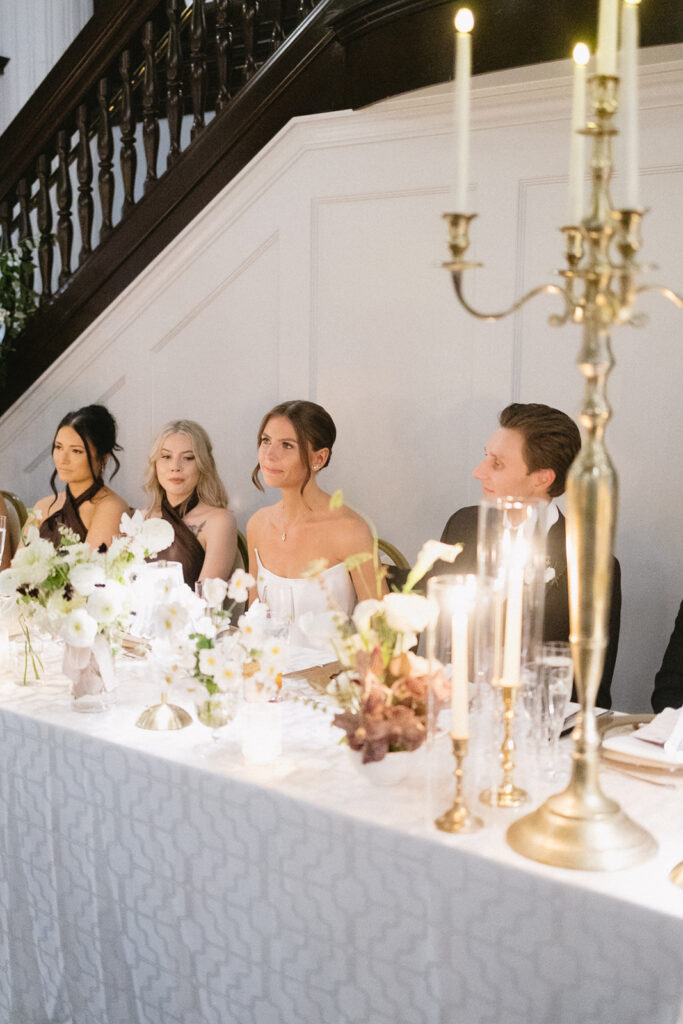
Romantic Amway Grand Plaza Wedding | Elegant Editorial
Be the first to comment